

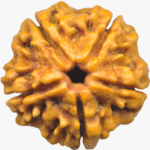
 Rudraksha Beads
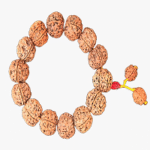 Rudraksha Bracelets
 Rudraksha Mala
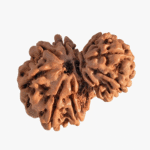 Rare Rudraksha


Holi Festival 2026 – A Complete Guide to Dates, Meaning, Rituals & Celebrations

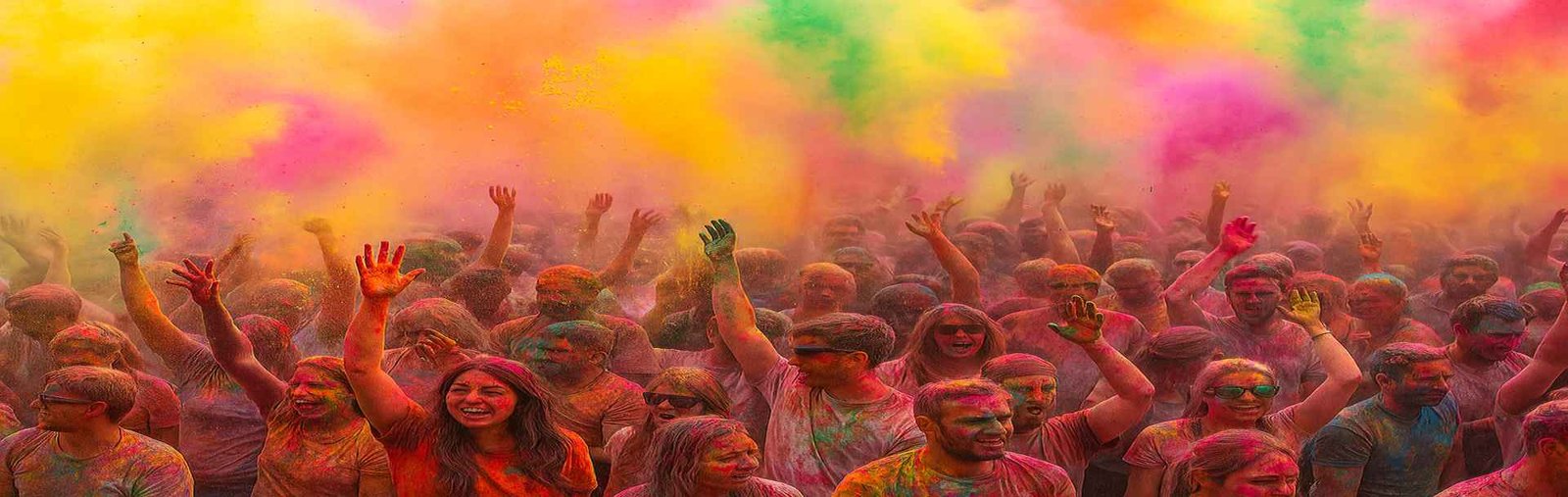
Holi — the festival that fills India with colour, music, devotion, and joy — returns in March 2026 with renewed energy and deep spiritual significance. Known as the Festival of Colours, Holi symbolizes the arrival of spring, the victory of good over evil, and the celebration of divine love. As one of the most awaited festivals of the year, Holi 2026 promises vibrant gatherings, traditional sweets, sacred rituals, and a unique celestial alignment that makes this year’s celebration even more special.
In this fresh blog, you’ll discover everything about Holi 2026 — its dates, rituals, legends, regional traditions, and spiritual importance — written in a conversational, engaging, and SEO‑friendly style perfect for your audience.
🌸 When is Holi in 2026?
Holi falls based on the lunar calendar, and in 2026 it aligns with early March. Here are the key dates you need to know:
📌 Holika Dahan (Chhoti Holi): March 3, 2026 (Tuesday)
This evening marks the symbolic burning of negativity and the triumph of righteousness.
📌 Rangwali Holi (Festival of Colours): March 4, 2026 (Wednesday)
The main day when people celebrate with colours, music, and festive gatherings.
What makes 2026 unique is that Holika Dahan coincides with a lunar eclipse, adding a rare and spiritually charged element to the celebrations. Many traditional calendars suggest performing the Holika Dahan ritual after the eclipse, making this year’s timing particularly significant.
🔥 The Legend Behind Holika Dahan
The heart of Holi’s spiritual meaning lies in the story of Prahlad and Holika. Prahlad, a devoted follower of Lord Vishnu, stood firm in his faith despite the cruelty of his father, the demon king Hiranyakashipu. In an attempt to kill Prahlad, Holika — blessed with immunity to fire — sat with him inside a burning pyre. But divine protection saved Prahlad, while Holika perished.
This miraculous moment became the foundation of Holika Dahan, representing:
- The victory of devotion over arrogance
- The triumph of light over darkness
- The burning away of negativity, ego, and fear
Even today, families and communities gather around a sacred bonfire to honour this ancient story of courage and divine protection.
🌈 The Joyful Essence of Rangwali Holi
The following day, the world transforms into a canvas of colours. People come together with natural powders, water sprinklers, drums, and joyous laughter. Rangwali Holi represents:
- Unity — boundaries of age, status, and background dissolve into shared celebration
- Love & friendship — colour becomes the language of connection
- New beginnings — spring brings renewal, hope, and positivity
It reminds us that life is meant to be lived in bright shades, with open hearts and joyful spirits.
💖 The Divine Love of Radha & Krishna
Holi’s playful nature also comes from the enchanting stories of Radha and Krishna. According to tradition, Krishna jokingly applied colour to Radha to express affection and ease his insecurity about their differing complexions. This divine moment became a beautiful tradition, symbolizing:
- Pure love
- Equality
- Acceptance
- Togetherness
Even today, the Braj region — especially Mathura, Vrindavan, Nandgaon, and Barsana — celebrates Holi with unmatched devotion and grandeur inspired by Krishna’s leelas.
🌼 Unique Holi Celebrations Across India (2026)
India’s cultural diversity gives Holi several beautiful forms:
🌺 1. Phoolon Ki Holi (Vrindavan)
Instead of colours, devotees shower flower petals, creating a mesmerizing and spiritually uplifting experience.
🥣 2. Laddoo Holi (Barsana)
Here, sweets — not colours — are tossed joyfully among devotees as a symbol of abundance and blessings.
💥 3. Lathmar Holi (Barsana & Nandgaon)
Women playfully tap men with wooden sticks, reenacting Krishna’s legendary teasing.
🎨 4. Royal Holi (Rajasthan)
Palaces host traditional dance, music, and colour ceremonies reflecting regal charm.
🕊️ 5. Dol Jatra (West Bengal)
Processions, devotional songs, and saffron‑coloured abir mark a serene and cultural Holi celebration.
🍽️ Traditional Foods That Make Holi Delicious
Holi is incomplete without festive delicacies that bring families together. Popular dishes include:
- Gujiya — sweet khoya‑filled dumplings
- Thandai — spiced milk drink infused with nuts and herbs
- Dahi Bhalla — soft lentil dumplings with yogurt and chutneys
- Kachori & Namkeen — savoury treats perfect for festive snacking
These dishes add flavour, warmth, and tradition to the festivities.
🕉️ Spiritual Significance of Holi
Beyond colours and sweets, Holi holds deep spiritual value:
- It encourages us to let go of grudges
- Burn away inner negativity
- Celebrate relationships
- Embrace forgiveness and renewal
- Strengthen devotion toward the divine
Holi is not only a festival — it’s a spiritual reset, a moment to purify the heart and welcome a new season of joy and harmony.
🌟 Tips for a Conscious Holi in 2026
To celebrate responsibly and spiritually:
- Use organic, skin‑friendly colours
- Respect elders and local traditions
- Avoid water wastage
- Share sweets and love generously
- Start the day with prayers or meditation
- Embrace kindness, unity, and gratitude
🌈 Final Thoughts
Holi 2026 is more than a festival — it is a celebration of life, colour, devotion, courage, and connection. Whether you celebrate with flowers in Vrindavan, colours in Mathura, or sweets in Barsana, the essence remains the same: Holi brings people closer, washes away negativity, and fills the soul with joy.
May this Holi bring unlimited blessings, new beginnings, and vibrant energy into your life
