

 Rudraksha Beads
 Rudraksha Bracelets
 Rudraksha Mala
 Rare Rudraksha
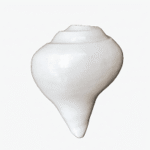

Shaligram: Meaning, Importance & How to Keep at Home A Complete Guide


Introduction
The sacred stone is one of the most revered symbols in Hindu tradition, worshipped as a manifestation of Lord Vishnu. Devotees believe that keeping this holy fossil stone from the Gandaki River at home invites peace, prosperity, and divine blessings. In this guide, we’ll explore what Shila represents, its spiritual importance, and practical steps on how to keep it respectfully at home.
What is Shaligram?
Known as a divine fossil stone, Salagram or Shila originates from the Gandaki River in Nepal. It is naturally formed and carries unique markings that resemble sacred symbols such as the Sudarshan Chakra, conch, or lotus. For centuries, it has been regarded as a direct representation of Lord Vishnu’s presence. Many households treat it as a living deity, offering prayers and rituals daily.
Importance of the Sacred Stone
- Spiritual Significance: Worshipping this divine symbol of Vishnu is believed to invite blessings into the household.
- Positive Energy: It is said to purify the environment and remove negative energies.
- Tradition & Faith: Ancient scriptures like the Skanda Purana and Padma Purana highlight its divine importance.
- Blessings of Prosperity: Devotees believe that keeping the holy stone at home ensures wealth, harmony, and protection.
How to Keep Shaligram at Home for Peace, Prosperity, and Spiritual Harmony
- Placement: It should be placed in the puja room or altar, ideally facing east.
- Daily Worship: Offer water, tulsi leaves, and flowers during puja.
- Cleanliness: Always keep the sacred stone clean, washing it with fresh water regularly.
- Respect: Never place it casually; it should always be treated with reverence.
- Pairing with Tulsi: Worshipping alongside Tulsi plant enhances spiritual benefits
Different Types of Shaligram Stones and Their Symbolism
Beyond their general spiritual importance, Salagram stones are often classified into different types based on their natural markings and shapes. Each variation is believed to carry unique symbolism and blessings, making them highly valued among devotees.
- Chakra Shaligram: Recognized by circular markings resembling the Sudarshan Chakra, this type is considered extremely powerful. It symbolizes protection, strength, and the destruction of negativity.
- Shankha Shaligram: Stones with conch‑like impressions are linked to purity and auspicious beginnings. Worshippers believe they bring peace and harmony to family life.
- Padma Shaligram: Featuring lotus‑like patterns, these stones represent spiritual growth, enlightenment, and devotion. They are often chosen by seekers who wish to deepen their meditation practices.
- Narayan Shaligram: Markings that resemble Lord Vishnu’s form are considered highly sacred. This type is believed to invite divine presence directly into the household.
- Laxmi Narayan Shaligram: A rare combination stone symbolizing both Lord Vishnu and Goddess Laxmi. It is worshipped for prosperity, wealth, and balance in relationships.
Understanding these variations helps devotees connect more personally with their worship. Choosing a type that resonates with one’s spiritual goals can make rituals more meaningful. Whether for protection, prosperity, or inner peace, each sacred fossil stone carries its own divine energy, reminding us of the timeless bond between humanity and the divine.
Tulsi Puja – Rituals, Significance, and Benefit
Tulsi, also known as Holy Basil, holds a revered place in Hindu tradition. Worshipping Tulsi is considered one of the simplest yet most powerful spiritual practices, believed to invite divine blessings, purify the environment, and strengthen devotion. Tulsi Puja is performed daily in many households, and special rituals are observed during auspicious occasions like Kartik month and Tulsi Vivah.
Significance of Tulsi Puja
Tulsi is regarded as the earthly manifestation of Goddess Lakshmi and is closely associated with Lord Vishnu. Worshipping Tulsi alongside Salagram is considered highly auspicious, symbolizing the union of Vishnu and Lakshmi. The plant is believed to:
- Purify the atmosphere and remove negative energies.
- Strengthen spiritual discipline and devotion.
- Bring prosperity, harmony, and protection to the household.
- Promote health and longevity through its medicinal properties.
Daily Rituals of Tulsi Puja
- Morning Worship: Devotees begin the day by offering water to the Tulsi plant, lighting a lamp, and chanting mantras.
- Offerings: Flowers, incense, and sandalwood paste are commonly offered. Tulsi leaves themselves are sacred and often offered to Lord Vishnu during puja.
- Mantras: Reciting the Tulsi Stotra or Vishnu Sahasranama while worshipping enhances spiritual benefits.
- Respectful Care: The plant should be watered daily, kept clean, and protected from damage. It is treated not just as a plant but as a living deity.
Special Occasions – Tulsi Vivah Date
Tulsi Vivah is a symbolic marriage ceremony between Tulsi and Shaligram (Lord Vishnu), usually observed in the month of Kartik (October–November). This ritual marks the beginning of the wedding season in Hindu tradition. Devotees decorate the Tulsi plant like a bride, perform rituals, and celebrate with songs and offerings. It is believed that participating in Tulsi Vivah brings blessings of marital harmony, prosperity, and spiritual upliftment.
Spiritual and Practical Benefits
- Spiritual Growth: Regular Tulsi Puja cultivates discipline, devotion, and mindfulness.
- Environmental Purification: Tulsi releases oxygen and absorbs toxins, improving air quality.
- Health Benefits: Known for its medicinal properties, Tulsi supports immunity, reduces stress, and promotes overall well-being.
- Family Bonding: Tulsi Puja often involves all members of the household, strengthening unity and shared faith.
Tulsi and Salagram Together
The combination of Tulsi Puja with salagram worship is considered one of the most sacred practices in Vaishnavism. Tulsi leaves are offered to salagram during rituals, symbolizing devotion and divine union. This pairing is believed to amplify blessings, ensuring prosperity, protection, and spiritual harmony in the home.
Conclusion
This divine fossil stone is not just a natural object—it is a symbol of Lord Vishnu’s presence. Tulsi Puja is more than a ritual; it is a way of life that integrates spirituality, health, and environmental care. By worshipping Tulsi daily and observing special occasions like Tulsi Vivah, devotees invite divine grace into their homes. When paired with salagram worship, the practice becomes even more powerful, symbolizing the eternal bond between Vishnu and Lakshmi.
Frequently Asked Questions about Shaligram
What is Shaligram?
Shaligram is a sacred fossil stone found in the Gandaki River of Nepal. It is revered as a divine symbol of Lord Vishnu and worshipped in Hindu households.
Why is Shaligram important?
The holy stone is believed to bring peace, prosperity, and divine blessings. Scriptures like the Skanda Purana highlight its spiritual significance and protective energy.
How to keep Shaligram at home?
Place the sacred stone in your puja room or altar, ideally facing east. Offer tulsi leaves, water, and flowers daily, and always keep it clean and treated with reverence.
Can Shaligram be worshipped with Tulsi?
Yes, worshipping Shaligram along with a Tulsi plant is considered highly auspicious and enhances spiritual benefits.
Where does Shaligram come from?
Shaligram stones naturally occur in the Gandaki River of Nepal, and each carries unique markings symbolizing divine attributes.
What are the types of Shaligram stones?
Shaligram stones are classified by their natural markings. Common types include:
- Chakra Shaligram – circular patterns symbolizing protection and strength.
- Shankha Shaligram – conch-like impressions linked to purity and harmony.
- Padma Shaligram – lotus-like markings representing spiritual growth and devotion.
- Narayan Shaligram – forms resembling Lord Vishnu, inviting divine presence.
- Laxmi Narayan Shaligram – rare stones symbolizing both Vishnu and Laxmi, worshipped for prosperity.
Why is Tulsi Puja connected with Shaligram?
Tulsi is regarded as the earthly form of Goddess Lakshmi. Worshipping Tulsi alongside Shaligram symbolizes the union of Vishnu and Lakshmi, amplifying blessings of prosperity, harmony, and spiritual growth.
